In This Article
Why I Finally Saw My Clutter
I scanned my room, and every object seemed to demand something from me.
The jumper over the chair said, clean me.
The lamp said, fix me.
The books said, remember to read me.
The runners said, use me.
I’d never seen my space like this before, not as a sanctuary, but as a stockroom. And no one sleeps peacefully in a stockroom.
Sharing an apartment means everything I own lives across two rooms. What doesn’t fit stays out. I see it every day.
Around that time, I had been listening to episodes of The Minimalists about letting go. Somewhere between their words and my clutter staring back at me, it clicked.
I own too much. I think I knew it already, but this time I actually faced it.
Why Decluttering Felt Heavy
It felt heavy because most of what I owned belonged to a version of me that no longer existed. Festival boots – when was my last festival? Short dresses, midriff tops, they’re not my style anymore. Clothes from lives that don’t fit.
Some things are easier to leave behind than others. Luckily, my sentimental items are still stored back home in Ireland. My mother kept everything, a folder for each of us, from our first lock of hair to school reports, along with pieces from my twenties and thirties.
I don’t have to solve everything at once.
I can start here, in my Barcelona apartment.
Now, when I take something out of my wardrobe, I think about what it costs to keep it. Not money – energy.
Washing it.
Storing it.
Thinking about it.
Even one item can carry a mental load.
My 30-Day Decluttering Challenge
To make decluttering manageable, I set a simple rule: one item out every day for 30 days. I started with clothes, they make the fastest impact. One item, one choice: sell it or donate it. That was it. No complicated system, just one decision a day, ticking off the calendar.
I’d already promised myself 2026 would be the year I got things in order, wardrobe, photos, spending, even the time I lose scrolling online.
Because scrolling was never harmless.
It inspired outfits.
That sparked wanting.
That led to buying.
And it always ended the same way, more clothes hanging there, and still nothing to wear.
This challenge became my first real step in breaking that cycle.
No complicated system. Just one decision a day.
Early Wins: Motivation to Keep Going
The month passed faster than I expected.
Selling things gave me a real buzz. It wasn’t just about the money, it was the feeling of letting go.
Items I chose to keep at the start quickly lost their significance. When I looked at them again, I felt more detached. Letting them go became easier the second time around.
It’s amazing what you’re ready to throw away that someone else is happy to buy.
Understanding the Psychology of Holding On
Clutter affects more than your room, it affects your life.Research shows it can increase anxiety, make decisions harder, and drain your mental energy. When everything feels important, nothing really is.
And that’s where the problem starts.
Important things like creating, thinking, or even resting get pushed aside.
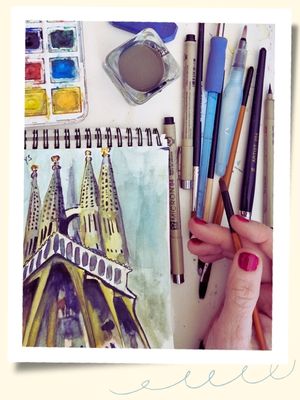
I used to love sketching.
I’d take a sketchpad and a fold-out chair, find a quiet corner, and draw balconies or buildings I loved. Somewhere along the way, I stopped.
I’m not sure when it happened. Maybe I started browsing more than creating. Maybe my space felt too crowded to focus. Maybe I didn’t even know where my chair was anymore.
I asked myself one question whenever I picked something up: If this disappeared tomorrow, would I replace it? If the answer was no, why was I holding onto it?
At one point, I caught myself thinking: I’m disorganised, I procrastinate, I have no self-control. But instead of judging it, I did something different.
I acted.
And I gave myself credit for noticing. That shift mattered more than anything I got rid of. It created space, not just in my wardrobe, but in my mind.
Avoiding the Consumerism Trap
Living in Barcelona is inspiring but tempting. Boutiques, new collections, window after window inviting me in. I’m not reckless with money, but sometimes I buy to fill an emotional gap.
At one point, I decided I wanted to be a “plant person.”
So I bought plants. They died. I bought more.
They died again. Eventually, I accepted it, I’m not that plant person. Now I have a cactus. It suits me.
That’s when it clicked.
It’s easy to spend money chasing a version of yourself that isn’t real, through clothes, tech, hobbies, or even something as simple as plants.
Selling my things wasn’t effortless either.
It meant logging in constantly.
Relisting items.
Staging photos.
Adjusting prices.
Watching offers.
Then I noticed something else: as I let go of an old version of myself, I felt the urge to shop for a new one, different style, better quality. I wasn’t just clearing space. I was replacing what I sold.
The cycle hadn’t stopped. It had simply changed shape. That awareness changed how I shop now. I look at fabrics more closely. A high price tag paired with polyester doesn’t convince me anymore.
Yes, I made a few hundred from selling clothes. And that felt good.
But the real win wasn’t the money.
It was recognising the pattern and choosing not to repeat it.
Cutting Recurring Costs and Influences
Decluttering isn’t just physical. It’s financial too. Subscriptions, memberships, and recurring payments quietly drain your resources. Cancelling them is an extra boost to savings.
I also became intentional about influences. Instead of following accounts that push constant consumption, I started paying attention to people who promote thoughtful spending and awareness.
A few that stood out for me: Sam’s Wallet, Bradley on a Budget, The Minimalists
This isn’t about being frugal.
It’s about respect for what you already own, for what you choose to bring into your life, and for the effort it took to earn it.
Because life is unpredictable. Unexpected things happen. And peace of mind doesn’t come from what you bought, it comes from knowing you’re prepared.
From knowing you can rely on yourself.
How Decluttering Changed My Life
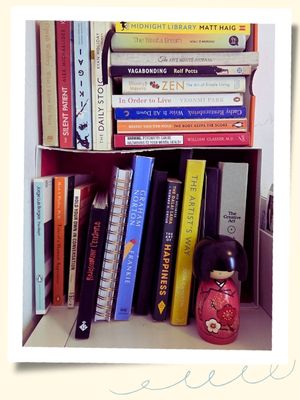
Even after the challenge ended, I kept going. Books that took up space were sold, art materials kept only if I committed to using them. I found my fold-out chair again and plan to return to drawing.
Decluttering spilled into other areas: deleting duplicate photos, spending less time on my phone, turning off notifications, reading more, and sleeping better in a calmer space.
Decluttering didn’t stop at physical things. It spilled into other areas of my life.
I started: Deleting duplicate photos, Spending less time on my phone, Turning off notifications, Reading more, Sleeping better
My space felt calmer and so did I.
With the money I made from selling, I’m thinking about saving for a big trip at the end of the year. Because experiences will always mean more to me than owning more things.
I’m not chasing minimalism.
I’m choosing space.
What I’ve Been Listening To
Practical Tips for Getting Started
Start with one item a day
Keep it simple. One decision is easy to make. Thirty decisions build momentum.Focus on who you are now
Not who you used to be. Not who you think you should be.Choose an outcome immediately
Sell it, donate it, or recycle it. Don’t move it from one pile to another.Track your progress
A simple calendar works. Seeing consistency builds motivation.Pay attention to what creates clutter
Impulse shopping. Sales. Social media. Unused subscriptions.
Decluttering isn’t about getting rid of everything.
It’s about making space for what actually matters.